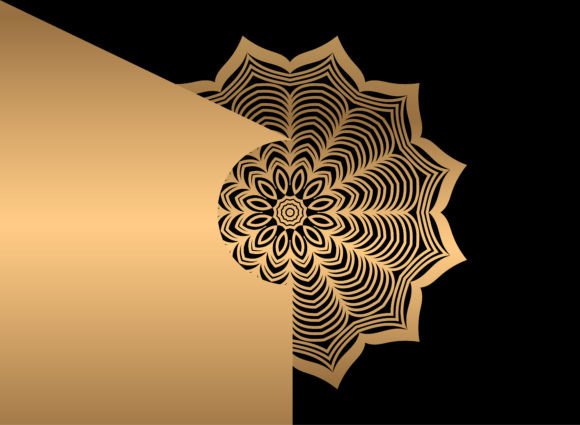
Mandala. Ethnic Decorative Element. Han
Mandala. Ethnic Decorative Element. Han is a unique and versatile design that blends traditional artistry with modern functionality. Rooted in cultural symbolism, this decorative element offers a rich visual experience while serving practical purposes across various applications. Whether you're an artist, designer, or business owner, understanding the value of Mandala. Ethnic Decorative Element. Han can open new creative possibilities.
What Is Mandala. Ethnic Decorative Element. Han?
Mandala. Ethnic Decorative Element. Han is more than just a pattern—it's a fusion of artistic traditions from different cultures. The term "Mandala" originates from Sanskrit, meaning "circle," and is often associated with spiritual and ritualistic significance in Hindu and Buddhist practices. However, when combined with "Ethnic Decorative Element. Han," it takes on a broader meaning, incorporating elements from Islamic, Arabic, and Indian art forms.
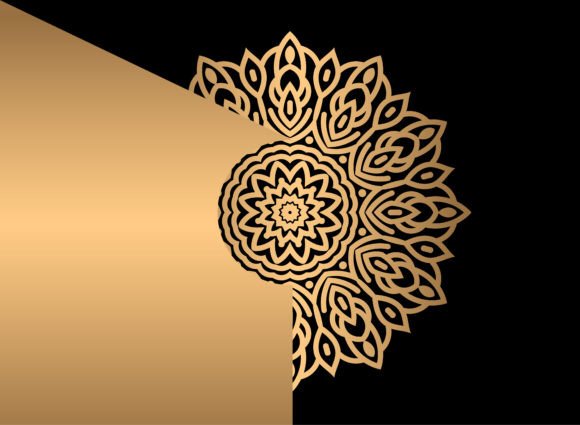
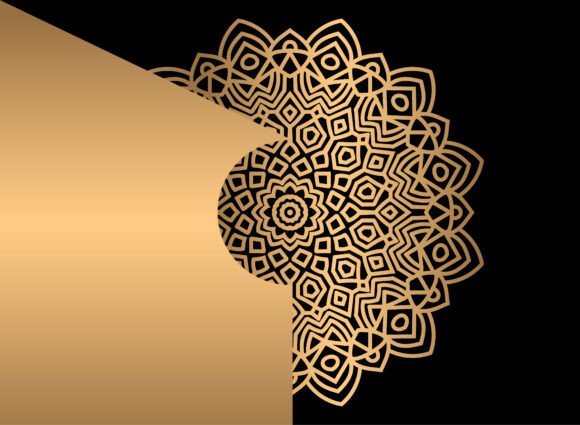
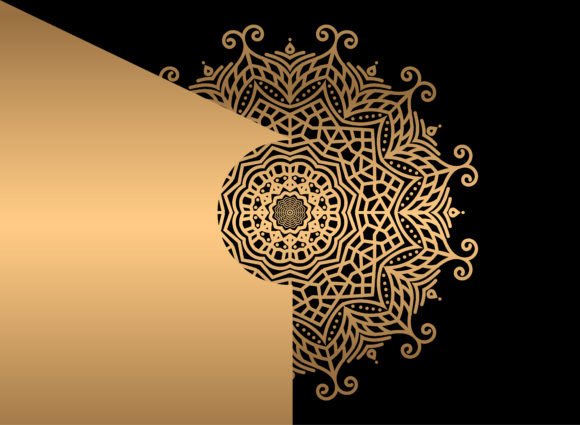
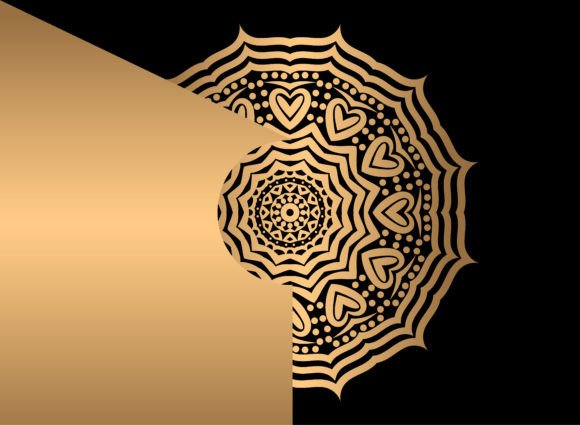
This design typically features intricate geometric patterns, floral motifs, and symbolic shapes arranged in a harmonious layout. The "Han" component may refer to a specific style or variation that emphasizes balance, symmetry, and cultural depth. The result is a visually striking backdrop that can be adapted for multiple uses.
Key Features of Mandala. Ethnic Decorative Element. Han
The versatility of Mandala. Ethnic Decorative Element. Han lies in its features. Here are some of the most notable characteristics:
- 100 Vector Files: These files allow for precise scaling without loss of quality, making them ideal for both digital and print use.
- 100 Resizable: You can adjust the size of the design to fit any project, whether it's a small label or a large banner.
- 100 Printable: The high-resolution format ensures clarity and sharpness when printed on various materials.
- 100 Color Changeable: Customize the design by altering colors to match your brand, theme, or aesthetic preference.
- Source File EPS: This professional file format provides maximum flexibility for editing and integration into other design projects.
These features make Mandala. Ethnic Decorative Element. Han a powerful tool for creators looking for a reliable and adaptable design solution.
Applications of Mandala. Ethnic Decorative Element. Han
Mandala. Ethnic Decorative Element. Han is not limited to one specific industry or purpose. Its adaptability allows it to be used in a wide range of scenarios:
- Interior Design: Use the design as a wall mural, wallpaper, or fabric pattern to add a touch of cultural elegance to living spaces or commercial areas.
- Graphic Design: Incorporate the Mandala. Ethnic Decorative Element. Han into logos, packaging, or branding materials to create a distinctive visual identity.
- Textile Industry: Print the design on clothing, scarves, or home décor items to offer unique and culturally inspired products.
- Art and Crafts: Artists and crafters can use the design as a base for paintings, embroidery, or other handmade creations.
- Marketing and Advertising: Leverage the design in promotional materials, social media content, or event decorations to capture attention and convey a sense of sophistication.
Whether you're working on a personal project or a commercial venture, Mandala. Ethnic Decorative Element. Han can enhance the visual appeal of your work.
Who Can Benefit From Mandala. Ethnic Decorative Element. Han?
The broad appeal of Mandala. Ethnic Decorative Element. Han makes it suitable for a variety of users:
- Designers: Graphic designers, interior designers, and illustrators can use the design to enrich their portfolios and client projects.
- Business Owners: Entrepreneurs in the fashion, home décor, or marketing industries can integrate the design into their product lines or campaigns.
- Artists: Visual artists seeking inspiration or a foundation for their work can benefit from the intricate details and cultural depth of the design.
- Students and Educators: Art students and educators can study the design to understand traditional patterns and their modern adaptations.
- Homeowners: Those looking to personalize their living spaces can use the design as a decorative element in their homes.
Its universal appeal and practicality make Mandala. Ethnic Decorative Element. Han a valuable resource for many professionals and enthusiasts alike.
Strengths and Considerations
Mandala. Ethnic Decorative Element. Han has several strengths that contribute to its popularity:
- Cultural Significance: The design draws from diverse traditions, offering a meaningful and authentic aesthetic.
- Visual Appeal: The intricate patterns and balanced composition create a visually engaging effect.
- Flexibility: With customizable colors and scalable formats, the design can be tailored to suit different needs.
- Professional Quality: The availability of EPS and AI files ensures that the design meets industry standards for print and digital use.
However, there are also considerations to keep in mind:
- Cultural Sensitivity: When using designs rooted in specific traditions, it's important to respect their origins and meanings.
- Technical Knowledge: While the files are editable, some users may need basic design software skills to modify the artwork effectively.
- Copyright and Licensing: Ensure that the usage rights align with your intended application, especially if the design is being used commercially.
By understanding these strengths and considerations, users can make informed decisions about how to best utilize Mandala. Ethnic Decorative Element. Han.
Real-World Examples and Scenarios
Here are a few examples of how Mandala. Ethnic Decorative Element. Han can be applied in real-world situations:
- Event Decor: A wedding planner could use the design as a backdrop for a ceremony or reception, adding an elegant and culturally rich atmosphere.
- Brand Identity: A boutique clothing line might incorporate the design into its logo and packaging, creating a unique and recognizable brand image.
- Home Renovation: A homeowner could print the design as a custom wallpaper in a living room or bedroom, transforming the space with a bold and artistic statement.
- Art Exhibitions: An artist could display a series of works inspired by Mandala. Ethnic Decorative Element. Han, exploring the intersection of tradition and contemporary design.
These scenarios illustrate the wide-ranging potential of the design and its ability to enhance different environments and projects.
How to Evaluate Suitability
Before incorporating Mandala. Ethnic Decorative Element. Han into your project, consider the following factors:
- Project Requirements: Assess whether the design aligns with the visual and functional goals of your work.
- Target Audience: Determine if the cultural and aesthetic aspects of the design resonate with your intended audience.
- Technical Capabilities: Check if you have access to the necessary tools to edit and use the design files effectively.
- Budget and Time: Factor in the cost of obtaining the files and the time required to implement the design.
By carefully evaluating these aspects, you can ensure that Mandala. Ethnic Decorative Element. Han is a good fit for your specific needs.
Conclusion
Mandala. Ethnic Decorative Element. Han represents a beautiful blend of tradition and modernity, offering a unique and adaptable design solution. With its rich cultural roots, customizable features, and wide range of applications, it can serve as a valuable asset for creators, businesses, and individuals alike. Whether you're looking to enhance your workspace, develop a new product line, or simply explore artistic expression, Mandala. Ethnic Decorative Element. Han provides a compelling and versatile option. As you consider integrating this design into your work, remember to approach it with creativity, respect, and an appreciation for its cultural significance.