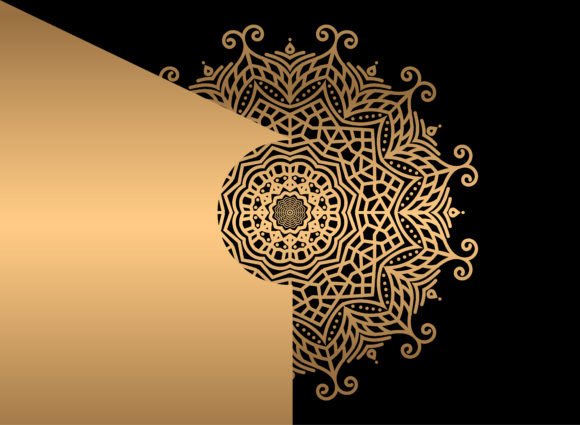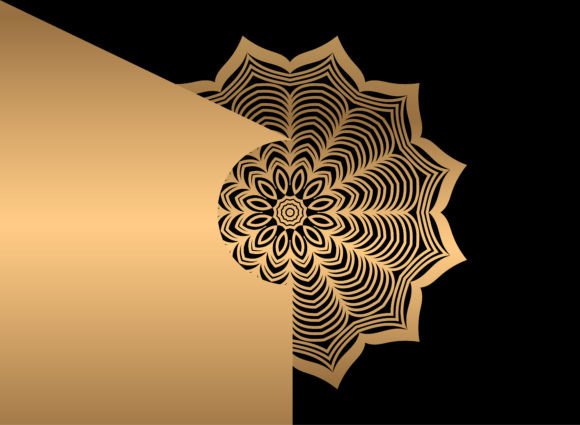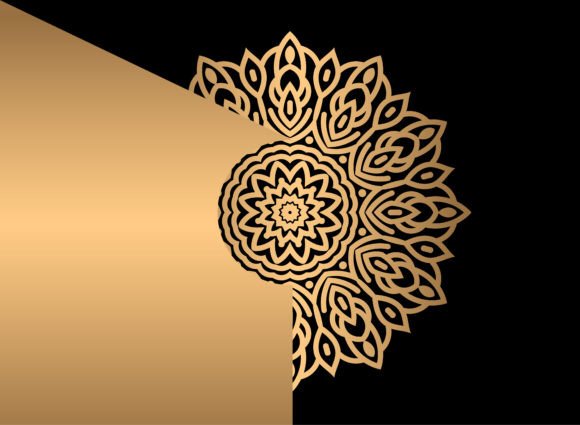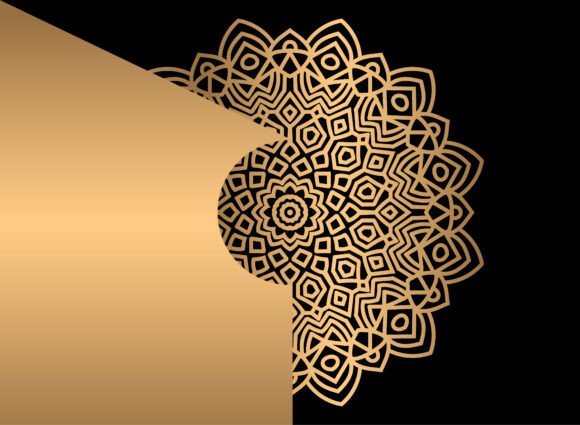
Mandala: Ethnic Decorative Element and Hand-Drawn Backdrop for Creative Professionals
In the ever-evolving world of design and creative expression, certain elements stand out not just for their aesthetic appeal but for their deep cultural significance. One such element is the Mandala, an intricate pattern that has transcended its spiritual origins to become a powerful ethnic decorative element. When combined with hand-drawn backdrops and motifs inspired by Islamic, Arabic, Indian, and Ottoman traditions, these designs offer a unique blend of artistry and cultural richness. For professionals, creators, and entrepreneurs, understanding the value of these elements can open new doors in both artistic and commercial pursuits.
What is Mandala? Ethnic Decorative Element and Hand-Drawn Backdrop
The word "Mandala" originates from Sanskrit, meaning "circle." Traditionally, it represents a spiritual and ritual symbol in Hinduism and Buddhism, often used as a tool for meditation and focus. However, its influence extends far beyond religious contexts. In modern design, the term refers to complex, symmetrical patterns that are visually captivating and rich in symbolism.
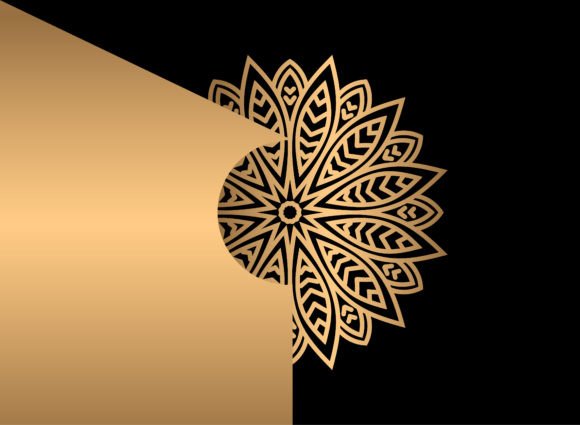
When we speak of Mandala as an ethnic decorative element, we're referring to patterns that draw from various cultural traditions. These include motifs rooted in Islamic geometric art, the intricate floral designs of Indian culture, the elegant calligraphy of Arabic script, and the ornate details found in Ottoman architecture. Each of these styles brings its own unique energy and meaning to the overall composition.
Hand-drawn backdrops take this concept a step further. Unlike digital or mass-produced designs, these are created with human touch, offering a level of authenticity and individuality that resonates with today's consumers. The combination of Mandala, ethnic motifs, and hand-drawn elements creates a visual language that speaks to both tradition and innovation.
The Growing Relevance of Ethnic Decorative Elements in Modern Design
In recent years, there has been a noticeable shift in consumer preferences towards authentic, culturally rich, and ethically sourced products. This trend is particularly evident in the realms of interior design, fashion, and graphic arts. As people seek more meaningful connections with the objects they surround themselves with, ethnic decorative elements like Mandala have gained significant traction.
For businesses, this means an opportunity to tap into a market that values uniqueness and storytelling. Whether you're a designer looking for inspiration, a marketer aiming to connect with a diverse audience, or an entrepreneur launching a new product line, incorporating these elements can add depth and cultural resonance to your offerings.
The rise of slow design and mindful consumption also plays a role in this shift. Consumers are increasingly aware of the environmental and ethical implications of their choices. By using hand-drawn and culturally inspired designs, creators can align with these values while delivering visually stunning work.
Why People Are Paying Attention to Mandala and Ethnic Motifs
There are several reasons why Mandala and ethnic decorative elements are capturing the attention of designers, artists, and business owners alike:
- Cultural Connection: These designs offer a bridge between past and present, allowing users to engage with heritage in a contemporary way.
- Aesthetic Appeal: The symmetry, balance, and complexity of Mandala designs make them visually compelling and versatile for various applications.
- Emotional Resonance: Many people find these patterns calming and meditative, making them ideal for spaces meant for relaxation or reflection.
- Customization: With features like color changeability and scalability, these designs can be adapted to suit different needs and preferences.
This growing interest is not just about aesthetics—it's about creating a deeper connection with the user. Whether it's through a piece of artwork, a printed item, or a digital background, these elements bring a sense of identity and purpose to the final product.
Practical Applications and Industry Trends
The versatility of Mandala and ethnic decorative elements makes them suitable for a wide range of industries. Here are a few examples:
Interior Design
From wall art to textiles, these patterns can transform any space into a cultural sanctuary. Designers are using them to create environments that reflect the values and stories of their clients.
Printed Products
With the availability of high-quality files—such as EPS, AI, PNG, JPG, and SVG formats—these designs can be easily integrated into printed materials. Whether it's a custom t-shirt, a greeting card, or a home decor item, the options are endless.
Graphic Design and Digital Media
For digital creators, these elements offer a way to infuse their work with cultural depth. They can be used as backgrounds, logos, or illustrations, adding a layer of sophistication and meaning to the final output.
The ability to resize, print, and change colors ensures that these designs remain adaptable across different platforms and mediums. This flexibility is especially valuable in a fast-paced industry where adaptability is key.
Connecting with the Right Audience
As the demand for unique and meaningful content grows, so does the need for reliable and high-quality resources. For professionals in the creative field, having access to Mandala and ethnic decorative elements can be a game-changer. It allows for greater creativity, faster workflows, and more engaging results.
Entrepreneurs and marketers can leverage these designs to differentiate their products in a crowded market. By tapping into the cultural significance of these elements, they can build stronger emotional connections with their audience.
For freelancers and independent creators, the availability of editable source files like EPS and AI provides the tools needed to bring their visions to life without compromising on quality.
Conclusion: Embracing the Power of Mandala and Ethnic Decorative Elements
In a world that is constantly evolving, the enduring appeal of Mandala and ethnic decorative elements reminds us of the importance of culture, craftsmanship, and connection. Whether you're a designer, a business owner, or a creative enthusiast, incorporating these elements into your work can elevate your projects and resonate with a broader audience.
With the right tools and resources, including 100 vector files, 100 resizable options, 100 printable designs, and 100 color-changeable elements, the possibilities are truly limitless. By embracing these designs, you're not just creating something beautiful—you're contributing to a global conversation about art, culture, and identity.
If you're interested in exploring these designs further, don't hesitate to reach out. I'm always ready to help and provide guidance tailored to your specific needs. Thank you for downloading and discovering the beauty of Mandala and ethnic decorative elements.