Decorative Curved Branch with Tree Leaves: A Versatile Botanical Design Element
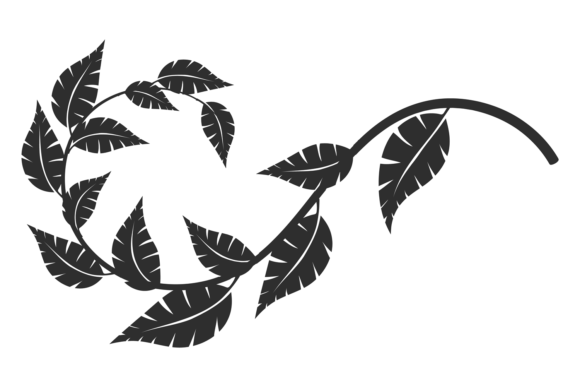
The Decorative Curved Branch with Tree Leaves is a popular design element that brings the beauty of nature into visual projects. Whether you're looking to enhance your creative work or add an elegant touch to digital content, this botanical motif offers both aesthetic appeal and functional versatility. Available in high-quality formats like EPS, JPG, SVG, and transparent PNG, it can be easily adapted for various applications while maintaining its artistic integrity.
What Makes This Design Unique?
A Decorative Curved Branch with Tree Leaves typically features a gracefully arching branch adorned with foliage, all rendered in a clean and stylized manner. The design emphasizes natural flow and organic shapes, making it ideal for adding a sense of life and movement to any composition. When isolated on a white background, it allows the viewer to focus solely on the intricate details of the leaves and the curvature of the branch, making it perfect for minimalist or modern aesthetics.
Key Characteristics
- Natural Shape: The curved form mimics how branches grow in real life, offering a realistic yet artistic feel.
- High-Quality Formats: Available as vector-based EPS and SVG files, which are scalable without loss of resolution, and as raster images in JPG and transparent PNG for digital use.
- Isolated Background: The clean white or transparent backdrop makes it easy to integrate into different color schemes or layered designs.
- Adaptable Style: Can be stylized to match various themes—ranging from rustic and earthy to sleek and contemporary.
Why Use a Decorative Curved Branch with Tree Leaves?
This design element serves multiple purposes across personal and professional contexts. It's not just about adding greenery; it's about creating emotional resonance and visual harmony. The presence of a branch and leaves can evoke feelings of growth, renewal, and connection to nature—making it particularly effective in branding, editorial layouts, and lifestyle content.
For beginners, it’s a great way to introduce botanical elements into their work without overwhelming the overall design. For professionals, it offers a refined asset that can be manipulated precisely using graphic design tools. Educators may find it useful in illustrating biology concepts, while marketers could leverage it to communicate eco-friendly values or seasonal promotions.
Common Uses and Benefits
- Branding and Logo Design: Incorporate the curved branch as a subtle symbol for sustainability, creativity, or wellness.
- Website and App UI Elements: Use the transparent PNG version to overlay on backgrounds or as part of loading animations and icons.
- Print and Packaging Design: Add a leafy branch to product labels, gift boxes, or promotional materials for a natural look.
- Editorial and Blog Design: Include it in headers, dividers, or illustrations to create visual interest and guide the reader’s eye.
- Background Accents: Place the image behind text or other graphics to soften the layout and give it a more organic feel.
Real-World Applications
Let’s take a closer look at some practical scenarios where the Decorative Curved Branch with Tree Leaves can shine:
In Business and Marketing
Imagine you’re launching a new line of organic skincare products. Using a stylized curved branch with tree leaves in your packaging design instantly conveys a message of purity and nature. Similarly, if you're promoting a spring or summer campaign, integrating this image into your banners or social media posts adds a fresh, vibrant touch that resonates with the season.
For entrepreneurs designing websites or landing pages, placing the branch image subtly in the background can help create a welcoming and trustworthy atmosphere. It works especially well when paired with soft pastel tones or earthy colors.
In Creative Projects
Creative professionals such as illustrators and graphic designers often use these types of assets to complement their work. A single branch with leaves can serve as a focal point in a poster or as an accent in a greeting card. Its scalability makes it suitable for everything from small icons to large murals.
Freelancers who specialize in wedding invitations or event design might use the SVG format to customize the branch’s shape and leaf density to match specific themes. For example, a bohemian-themed event could feature a wilder, more organic-looking branch, while a corporate gala might prefer something more structured and elegant.
In Education and Presentations
Educators and presenters can utilize the Decorative Curved Branch with Tree Leaves as a visual aid when discussing topics like botany, environmental science, or even art history. Placing it beside key points or using it as a slide divider keeps the presentation visually engaging without distracting from the content.
Its clean lines and minimalistic appearance also make it suitable for infographics or educational posters where clarity is essential. You can combine it with other botanical vectors to build a cohesive theme around plant life or ecological awareness.
Getting Started: Tips for Beginners
If you're new to using this type of design asset, here are a few tips to help you make the most of it:
- Understand File Formats: Choose SVG or EPS if you need to scale the image for print or web use. Transparent PNGs are excellent for overlays, while JPGs are best suited for simpler digital displays.
- Pair with Complementary Colors: Since the branch is isolated on a white background, consider how it will interact with the colors in your project. Earth tones or muted greens often enhance the natural vibe.
- Experiment with Placement: Try positioning the branch in the corner of a page, stretching it across the top of a design, or using it to frame text. Each placement changes the mood and emphasis of the piece.
- Combine with Other Elements: Think about layering it with other botanical graphics or text to create a more dynamic layout. But don’t overdo it—balance is key to maintain elegance.
Important Considerations Before Choosing
Before selecting a Decorative Curved Branch with Tree Leaves for your project, there are several factors worth evaluating:
First, assess the context in which the image will be used. Will it be part of a logo? A website header? A printed brochure? Different uses may require different levels of detail and file types.
Second, think about scalability. Vector formats like EPS and SVG are ideal if you plan to resize the image significantly. Raster formats like JPG or PNG are fine for standard display but may lose quality when stretched beyond their original size.
Third, check for licensing if you’re planning commercial use. Some free resources come with restrictions, so always verify the terms before downloading and applying them to your work.
Where to Find and How to Use These Images
There are many platforms where you can find a Decorative Curved Branch with Tree Leaves. Graphic design marketplaces like Adobe Stock, Shutterstock, and Vecteezy offer a variety of styles and resolutions. Look for options that are described as “botanical,” “isolated,” or “transparent” to ensure they meet your needs.
Once you’ve selected the right image, open it in your preferred design software. In programs like Adobe Illustrator or Photoshop, you can adjust the size, color, and transparency to suit your layout. For digital use, transparent PNGs are particularly handy because they allow the image to blend seamlessly with the background.
Here’s a quick example: A blogger designing a post about home gardening could place a Decorative Curved Branch with Tree Leaves in the corner of each section to separate ideas and add visual continuity. Or a small business owner creating a product label for handmade candles might use the JPG version to add a leafy border that reflects their brand’s commitment to nature and sustainability.
Enhancing Your Designs with Botanical Flair
One of the biggest advantages of using a Decorative Curved Branch with Tree Leaves is its ability to elevate otherwise simple compositions. It acts as a bridge between the natural world and human creativity, making it easier to convey themes related to growth, balance, and beauty.
For instance, in lifestyle content such as yoga or mindfulness blogs, this image can reinforce the idea of harmony and inner peace. In e-commerce, it might appear in hero banners for plant-based products or eco-conscious brands. Even in academic settings, it can help break up dense information and make learning more approachable.
Because the branch is isolated, you have full control over its integration. You can animate it in a digital project, rotate it to fit a unique angle, or duplicate it to create patterns. The possibilities are endless, limited only by your imagination and design goals.
Final Thoughts on Practical Application
Using a Decorative Curved Branch with Tree Leaves isn't just about aesthetics—it's about purposeful design. When applied thoughtfully, it can support branding messages, enhance user experience, and bring warmth to digital and physical spaces alike.
Whether you're a hobbyist experimenting with DIY projects, a marketer crafting compelling visuals, or a designer working on a client’s latest campaign, this versatile botanical asset can become a valuable part of your toolkit. Just remember to consider the context, format, and audience to ensure it complements your overall vision.