Curved Tree Branch: A Decorative Botanical Element for Modern Design
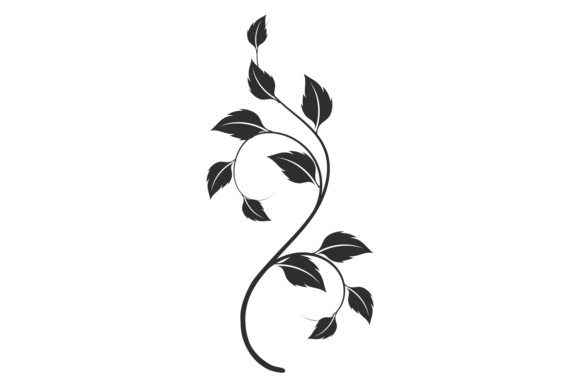
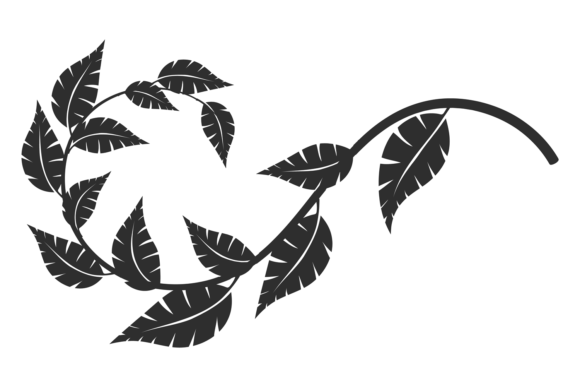
A curved tree branch, particularly in the form of a decorative botanical element, has become a popular motif in graphic design, interior decoration, and branding. This natural yet stylized image captures the elegance and fluidity of nature, making it an appealing choice for visual compositions that seek to blend organic beauty with modern aesthetics. When presented as a black element isolated on a white background, or in transparent PNG, SVG, or EPS formats, the curved tree branch becomes a versatile asset for designers across various industries.
What Is a Curved Tree Branch? Decorative Botanical Element?
A curved tree branch refers to an artistic representation of a tree limb that follows a graceful arc. In decorative contexts, this shape is often simplified, stylized, and used to convey themes such as growth, harmony, or minimalism. The term "botanical" implies that the design is inspired by plant life, even if it’s abstract rather than photorealistic.
When created as a decorative botanical black element, the branch is typically rendered in solid black against a clean white background or as a transparent PNG. These versions are commonly used in digital art, web design, product packaging, and print media due to their clarity and adaptability. File formats like SVG and EPS ensure scalability without loss of quality, which is essential for high-resolution printing and responsive web graphics.
Why People Are Interested in Curved Tree Branch Designs
The appeal of the curved tree branch lies in its simplicity and symbolic meaning. It represents nature's effortless grace and can evoke a sense of tranquility, creativity, or connection to the environment. Many individuals and businesses use these elements to add a subtle touch of organic beauty to otherwise minimalist or modern designs.
- Interior Design: Used in wall art, textiles, and furniture to bring natural elements into contemporary spaces.
- Graphic Design: Incorporated into logos, website headers, and social media visuals for a refined, earthy feel.
- Branding: Employed by eco-conscious companies to symbolize sustainability and balance.
- Print Media: Applied in book covers, greeting cards, and promotional materials for a timeless look.
Benefits of Using a Curved Tree Branch as a Decorative Botanical Element
Incorporating a curved tree branch into your design offers several advantages:
- Versatility: Available in multiple file formats (EPS, JPG, SVG, transparent PNG), it adapts well to both digital and print applications.
- Minimalist Appeal: Its simple form complements clean layouts and avoids overwhelming the viewer with complexity.
- Symbolic Value: Conveys themes of nature, growth, and resilience, which resonate emotionally with audiences.
- Professional Quality: High-resolution options ensure crisp edges and consistent appearance across different mediums.
Tradeoffs and Considerations
While the curved tree branch is a compelling design choice, there are some tradeoffs to consider:
- Context Sensitivity: The imagery may not align with all brand identities or design styles—especially those leaning heavily into geometric or industrial themes.
- Color Limitation: Being primarily available in black makes it less suitable for projects requiring color variation unless you manually apply it.
- Abstract Interpretation: Some viewers might find it too vague or interpret it differently depending on cultural context.
- File Format Compatibility: While EPS and SVG are excellent for scaling, they may require specific software or expertise to edit effectively.
Situations Where It Fits Best
A curved tree branch works especially well in the following scenarios:
- Eco-Friendly Brands: Companies focused on sustainability or natural products can use this motif to reinforce their message subtly.
- Wellness and Lifestyle Spaces: In yoga studios, spas, or wellness retreats, the design enhances the atmosphere of calm and connection.
- Product Packaging: For items like candles, soaps, or teas, the botanical aesthetic adds an artisanal or premium touch.
- Website Headers and Logos: As a standalone icon or part of a larger logo, it introduces a memorable, nature-inspired element.
Best Practices for Implementation
To maximize the impact of a curved tree branch in your design:
- Use it as a background element or border to avoid cluttering the main content.
- Pair it with other botanical motifs like leaves or flowers for cohesive visual storytelling.
- Consider the scale and placement to maintain visual balance within the layout.
- Opt for transparent PNG or SVG files when layering with other design components for flexibility.
When Alternatives Might Be Better
Although the curved tree branch is a strong visual tool, it isn't always the best fit. Alternatives may be worth considering in the following cases:
- Highly Technical Industries: Fields like engineering, finance, or technology may benefit more from structured, non-organic shapes.
- Cultural or Religious Contexts: In certain markets, abstract botanical designs may carry unintended connotations or lack relevance.
- Complex Visual Narratives: If your project requires intricate symbolism or detailed illustrations, a single curved branch may appear too simplistic.
- Budget Constraints: Custom illustration or vector creation might be necessary for unique variations, which could increase production costs.
Alternatives such as full tree silhouettes, leaf clusters, or vine patterns can provide similar thematic value while offering more detail or variety. Similarly, geometric abstractions of branches or line-based sketches might suit minimalist but less botanical-focused projects.
How to Choose the Right Format
Selecting the appropriate file format for your curved tree branch design depends on your intended use:
- SVG: Ideal for scalable web graphics and animations; supports interactivity and easy editing in design software.
- EPS: Preferred for print work and professional graphic design due to its high resolution and compatibility with Adobe tools.
- Transparent PNG: Great for overlays, icons, or layered compositions where background visibility is important.
- JPG: Suitable for quick online sharing or situations where file size is a concern, though it lacks transparency support.
For most modern design needs, SVG or transparent PNG provides the best combination of flexibility and quality. Always verify the licensing terms before using any downloaded assets, especially for commercial purposes.
Designing with Purpose: Aligning with Your Goals
Before incorporating a decorative botanical curved tree branch into your project, ask yourself a few key questions:
- Does the design reflect the tone and values I want to communicate?
- Will the audience connect with this imagery, or will it feel out of place?
- Am I using the right file format for my medium and platform?
- Is the element enhancing the overall composition, or am I adding it just for trendiness?
These considerations help ensure that the curved tree branch serves a functional purpose beyond aesthetics. Thoughtful integration can lead to stronger visual storytelling and improved user engagement.
Final Thoughts on Decorative Botanical Elements
The curved tree branch as a decorative botanical element offers a powerful way to infuse natural inspiration into modern design. Whether you're working on a logo, website, or printed material, its clean lines and symbolic depth make it a valuable addition to your creative toolkit.
However, its effectiveness hinges on thoughtful application and alignment with your broader design goals. By evaluating how it fits into your visual narrative and technical requirements, you can decide whether it’s the right choice for your next project. When used appropriately, it can elevate your work with a quiet sophistication that speaks volumes about your attention to detail and design intent.