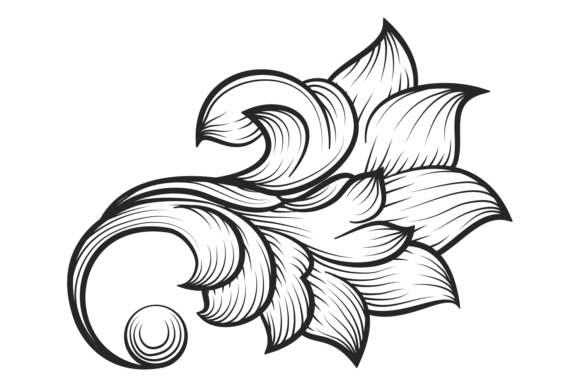
Ornate Decorative Element in Baroque Style
The ornate decorative element in baroque style is a hallmark of intricate design and artistic expression. Originating from the 17th and 18th centuries, baroque art and architecture are characterized by their elaborate details, dynamic movement, and rich ornamentation. These elements are not merely aesthetic; they serve to convey grandeur, complexity, and a sense of luxury. Whether used in interior design, graphic arts, or digital media, the ornate decorative element in baroque style adds a touch of historical elegance and visual interest.
Understanding the Ornate Decorative Element in Baroque Style
The ornate decorative element in baroque style is defined by its complexity and richness. It often features swirling patterns, floral motifs, gilded accents, and symmetrical arrangements. These elements are designed to create a sense of movement and depth, drawing the eye across surfaces and into the space. The use of curves, volutes, and intricate detailing is common, reflecting the baroque emphasis on drama and emotional impact.
One of the key characteristics of these elements is their ability to transform simple spaces into visually stunning environments. They can be found in everything from architectural moldings and ceiling frescoes to furniture carvings and textile patterns. The ornate decorative element in baroque style is not just about decoration—it's about creating an atmosphere that evokes a sense of history, opulence, and artistic mastery.
Features and Characteristics of Ornate Decorative Elements
- Elaborate Details: These elements are known for their intricate designs, which often include floral patterns, acanthus leaves, and geometric shapes.
- Rich Materials: Historically, materials like gold leaf, marble, and wood were used to enhance the visual impact of these decorations.
- Symmetry and Balance: Despite their complexity, baroque elements often maintain a sense of balance and proportion.
- Dynamic Movement: The flowing lines and curvilinear forms give the impression of motion, adding energy to the design.
Applications and Uses of Ornate Decorative Elements
The ornate decorative element in baroque style has a wide range of applications. In interior design, it can be used to embellish walls, ceilings, and furniture. For example, a baroque-style cornice or molding can add a sense of sophistication to a living room or dining area. In the realm of graphic design, these elements can be incorporated into logos, illustrations, and website layouts to create a vintage or luxurious feel.
Business owners and creators may also find value in using the ornate decorative element in baroque style. For instance, a boutique or a high-end retail store might incorporate these elements into their branding or storefront design to attract attention and convey a sense of exclusivity. Similarly, event planners could use these designs in wedding invitations, table settings, or stage backdrops to create a memorable and elegant atmosphere.
Who Benefits from Using Ornate Decorative Elements?
Several groups of people can benefit from incorporating the ornate decorative element in baroque style into their work or personal spaces. Interior designers and architects often use these elements to create unique and visually striking environments. Artists and illustrators may draw inspiration from them to develop their own creative works. Additionally, historians and cultural enthusiasts appreciate the ornate decorative element in baroque style for its historical significance and artistic value.
For business owners, especially those in the hospitality, fashion, or luxury goods industries, the ornate decorative element in baroque style can be a powerful tool for branding and marketing. It helps establish a distinct identity and appeals to customers who appreciate quality, craftsmanship, and aesthetics.
Strengths and Considerations When Using Ornate Decorative Elements
One of the main strengths of the ornate decorative element in baroque style is its ability to elevate the visual appeal of any space or design. It adds a layer of sophistication and can make a significant impact without requiring major structural changes. However, there are also considerations to keep in mind. These elements can be overwhelming if not used appropriately, and they may not suit modern or minimalist aesthetics.
Another consideration is the cost and availability of such elements. While traditional baroque decorations may require skilled artisans and expensive materials, digital versions—such as EPS, JPG, SVG, or transparent PNG files—offer a more accessible and versatile option. These formats allow for easy integration into various projects, whether for print, web, or digital media.
Practical Expectations and Limitations
When working with the ornate decorative element in baroque style, it's important to set realistic expectations. These elements are best suited for projects that aim to evoke a sense of history, luxury, or artistic flair. They may not be ideal for casual or contemporary settings. Additionally, the complexity of these designs can sometimes limit their adaptability, making it essential to choose the right context for their use.
Despite these limitations, the ornate decorative element in baroque style remains a valuable resource for those looking to add depth and character to their work. By understanding its strengths and considering its suitability for different projects, users can make informed decisions that align with their goals and preferences.
Real-World Examples and Scenarios
Consider a historic renovation project where the goal is to restore a building to its original baroque glory. In this case, the ornate decorative element in baroque style would be essential for recreating authentic architectural details. Similarly, a designer creating a collection of luxury home goods might use these elements to develop a cohesive and stylish product line.
Another example could be a digital artist working on a fantasy-themed illustration. By incorporating the ornate decorative element in baroque style, they can enhance the visual storytelling and create a more immersive experience for viewers. In both cases, the use of these elements contributes to the overall narrative and aesthetic of the project.
Guidance on Evaluating Suitability
To determine whether the ornate decorative element in baroque style is suitable for a particular project, consider the following factors: the desired aesthetic, the target audience, and the practicality of implementation. If the goal is to create a timeless, elegant look, then these elements may be an excellent choice. However, if the focus is on simplicity or modernity, alternative approaches may be more appropriate.
It's also helpful to explore different sources and formats for these elements. Whether you're looking for hand-drawn vintage ornaments or digital files, there are numerous options available to suit various needs. By evaluating the quality, versatility, and relevance of each option, you can make a well-informed decision that enhances your project's overall impact.