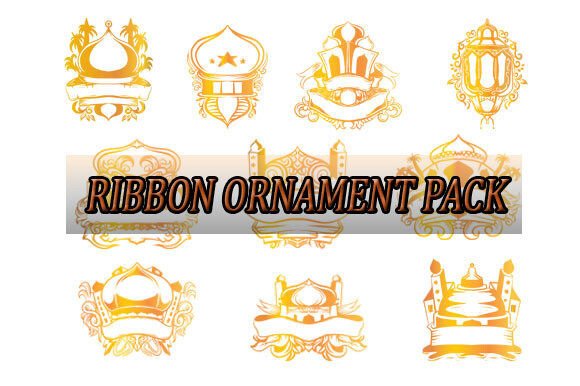
Decorative Vintage Islamic Ornament
Decorative Vintage Islamic Ornament offers a timeless aesthetic that blends historical artistry with modern design needs. These intricate patterns, often inspired by traditional Islamic calligraphy and geometric motifs, provide a unique visual language for creative projects. Whether you're designing invitations, posters, or logos, these vintage elements can elevate your work with a sense of elegance and cultural depth.
For professionals in graphic design, marketing, and content creation, incorporating Decorative Vintage Islamic Ornament can add a distinctive flair to their output. The ornate details and symmetrical arrangements are not just visually appealing but also carry symbolic meaning, making them ideal for projects that aim to convey sophistication or heritage.
Understanding Decorative Vintage Islamic Ornament
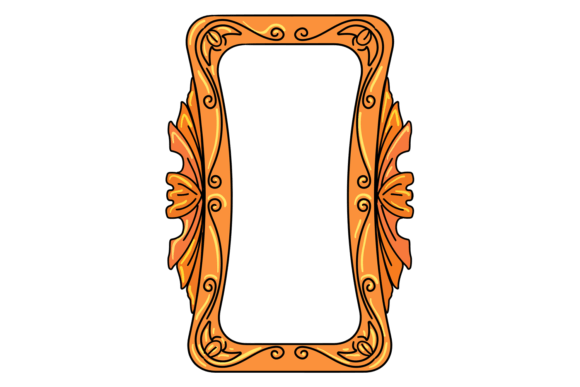
Decorative Vintage Islamic Ornament refers to a collection of historical design elements rooted in Islamic art traditions. These include thin calligraphic borders, frames, dividers, and decorative motifs that were commonly used in manuscripts, architecture, and textiles. The use of Arabic script in artistic forms is a hallmark of this style, offering a blend of beauty and cultural significance.
These elements are particularly useful for retro design projects, where the goal is to evoke a sense of nostalgia while maintaining a refined appearance. The combination of delicate lines and intricate patterns allows for versatile applications across various media, from digital illustrations to printed materials.
Practical Benefits of Using Decorative Vintage Islamic Ornament
One of the key advantages of using Decorative Vintage Islamic Ornament is its ability to enhance the visual appeal of any project without overwhelming the viewer. The subtle yet detailed nature of these designs makes them suitable for a wide range of applications, including greeting cards, certificates, and banners.
For instance, when creating a wedding invitation, adding a vintage Islamic border can give the design an air of tradition and class. Similarly, a certificate adorned with these ornamental elements can feel more authentic and meaningful, especially if it's intended for a cultural or religious event.
Another benefit is the time-saving aspect. Instead of creating custom designs from scratch, designers can use pre-made sets of Decorative Vintage Islamic Ornament to quickly assemble visually striking layouts. This efficiency is especially valuable for small business owners or entrepreneurs who need to produce high-quality materials on a tight schedule.
Who Can Benefit Most from These Elements
Graphic designers, illustrators, and artists working with cultural themes will find Decorative Vintage Islamic Ornament particularly useful. These elements can serve as a foundation for creating unique artwork that resonates with audiences looking for authenticity and craftsmanship.
Marketers and advertisers can also benefit by incorporating these ornamental designs into promotional materials. A banner with a vintage Islamic ribbon template, for example, can draw attention while aligning with the brand's identity or message. This approach is effective for campaigns targeting audiences with an appreciation for history, art, or spirituality.
Educators and publishers may use these elements to enhance textbooks, educational materials, or presentations. By integrating vintage Islamic ornamentation, they can make learning resources more engaging and visually stimulating, especially when teaching about history, culture, or art.
Realistic Use Cases and Applications
Consider a scenario where a small business owner is launching a new line of handmade products. By using a set of Decorative Vintage Islamic Ornament in their packaging or website design, they can create a cohesive and appealing brand image that stands out in a competitive market.
Similarly, a blogger writing about cultural heritage might use these ornamental elements to illustrate posts or create downloadable templates for readers. This not only enhances the blog's visual appeal but also provides value to the audience by offering practical design resources.
Event planners organizing a cultural festival could use vintage Islamic banners and frames to decorate venues, creating an immersive experience that reflects the theme of the event. These elements help in setting the right ambiance and conveying the intended message effectively.
Limitations and Considerations
While Decorative Vintage Islamic Ornament offers many benefits, it's important to consider the context in which they are used. Some designs may be too elaborate for certain projects, potentially distracting from the main message or content. It's essential to strike a balance between aesthetics and functionality.
Additionally, users should ensure that the chosen elements align with the overall design theme. For example, a minimalist logo may not benefit from intricate Islamic ornamentation, as it could appear cluttered or mismatched. Careful selection and placement are crucial to achieving the desired effect.
It's also advisable to compare different sets of Decorative Vintage Islamic Ornament to find the one that best suits specific needs. Factors such as resolution, format, and licensing should be considered to ensure compatibility and legal compliance.
Final Thoughts
Decorative Vintage Islamic Ornament is more than just a design trend; it's a powerful tool for enhancing visual communication and storytelling. Whether you're a designer, marketer, educator, or hobbyist, these elements can add depth and character to your work, helping you connect with your audience on a more meaningful level.
By understanding the practical applications and limitations of these ornamental designs, you can make informed decisions that support your creative goals and improve the quality of your projects. With the right approach, Decorative Vintage Islamic Ornament can become an essential part of your design toolkit, offering both beauty and functionality in equal measure.