DECORATIVE TYPOGRAPHY IN PROMOTIONAL BANNERS
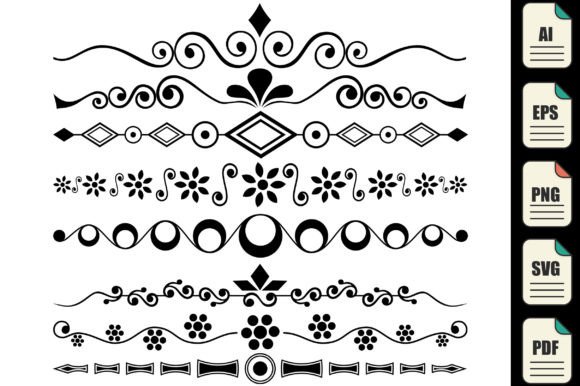
Decorative typography has become a cornerstone of modern graphic design, especially in the realm of promotional banners. This unique style combines artistic elements with functional communication to capture attention and convey messages effectively. When applied to promotional banners, decorative typography transforms simple visual elements into compelling marketing tools that resonate with diverse audiences.
The use of decorative typography in promotional banners is not just about aesthetics; it's about creating a visual language that speaks directly to the viewer. Whether it's for a retail store, event announcement, or digital campaign, the right typographic choice can make all the difference in how a message is perceived and remembered.
THE EVOLUTION OF TYPOGRAPHIC DESIGN
Typography has evolved significantly over the years, moving from traditional lettering to highly stylized forms that reflect contemporary design trends. Decorative typography, in particular, has gained popularity due to its ability to add personality and flair to any design. This evolution has been driven by advancements in digital tools and the increasing demand for visually striking content across various platforms.
Today, designers have access to a wide range of fonts and typographic styles that allow them to experiment and innovate. From bold, eye-catching letters to intricate, hand-drawn scripts, the possibilities are endless. This flexibility enables creators to tailor their designs to specific brand identities and marketing goals.
KEY CHARACTERISTICS OF DECORATIVE TYPOGRAPHY
Several characteristics define decorative typography, making it a powerful tool in promotional design. One of the most notable features is its visual impact. Decorative fonts often include embellishments, gradients, and special effects that draw the eye and create a sense of movement or depth.
Another important aspect is versatility. Decorative typography can be adapted to suit different contexts, whether it's for a high-energy event poster or a subtle branding element. The key is to balance creativity with readability, ensuring that the message remains clear even when using unconventional styles.
Additionally, decorative typography allows for greater customization. Designers can modify existing fonts or create new ones to match specific themes or campaigns. This level of control ensures that each design is unique and aligned with the intended message.
APPLICATIONS IN PROMOTIONAL BANNERS
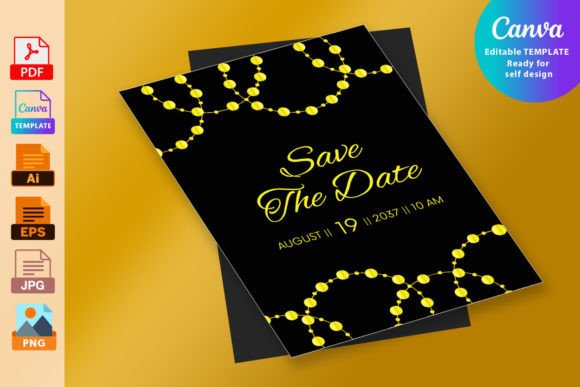
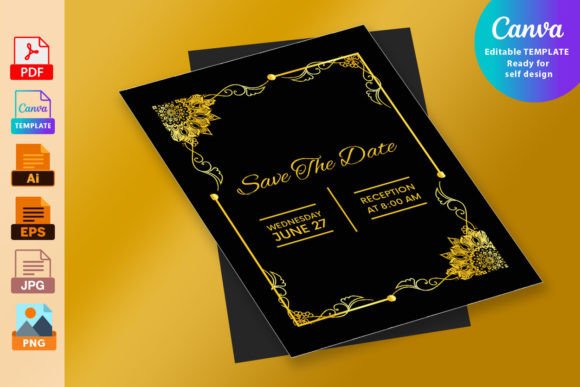
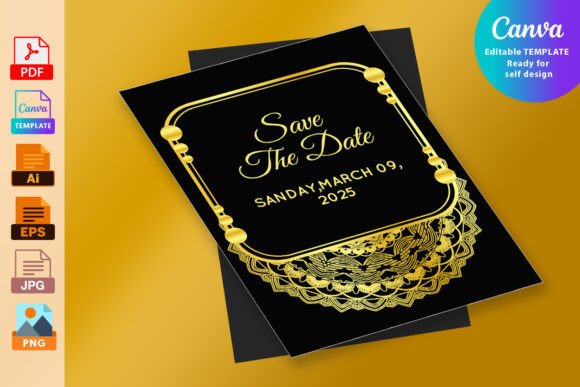
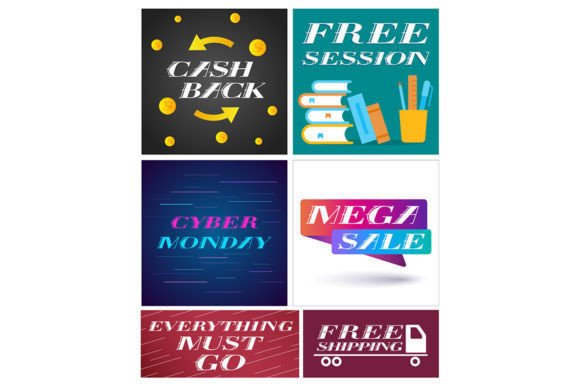
Promotional banners are one of the most common applications of decorative typography. These banners are used in a variety of settings, including retail spaces, trade shows, and online advertisements. By incorporating decorative typography, designers can create banners that stand out and leave a lasting impression.
In retail environments, promotional banners with decorative typography can enhance the overall shopping experience. For example, a banner featuring a custom-designed font can highlight a seasonal sale or new product launch, attracting customers' attention and encouraging engagement.
Event organizers also benefit from using decorative typography in their promotional materials. Whether it's a concert, conference, or community event, well-designed banners can communicate essential information while adding an artistic touch. This approach helps to build excitement and anticipation among the target audience.
ADVANTAGES OF USING DECORATIVE TYPOGRAPHY
There are numerous advantages to using decorative typography in promotional banners. One of the primary benefits is increased visibility. In a crowded marketplace, a visually striking banner can cut through the noise and capture the attention of potential customers.
Another advantage is enhanced brand recognition. Consistent use of a specific typographic style across promotional materials helps to reinforce brand identity and create a cohesive visual presence. This consistency is crucial for building trust and loyalty among consumers.
Moreover, decorative typography can evoke emotions and convey specific moods. For instance, a playful, cursive font might be used for a children's event, while a sleek, modern typeface could be more appropriate for a tech-related promotion. This emotional connection can strengthen the overall impact of the message.
CONSIDERATIONS FOR EFFECTIVE USE
While decorative typography offers many benefits, it's important to consider certain factors to ensure its effective use. One of the main considerations is legibility. Even the most creative fonts must be readable, especially when used in promotional contexts where clarity is essential.
Designers should also take into account the target audience when selecting a typographic style. What works for a young, trendy demographic may not be suitable for a more conservative or professional setting. Understanding the preferences and expectations of the audience is crucial for creating successful promotional materials.
Additionally, the context in which the banner will be displayed should influence the choice of typography. A banner designed for a digital platform may require different considerations compared to one intended for a physical space. Factors such as screen resolution, lighting conditions, and viewing distance all play a role in determining the effectiveness of the design.
INTEGRATING DECORATIVE TYPOGRAPHY INTO YOUR WORKFLOW
Integrating decorative typography into a design workflow requires careful planning and execution. Start by identifying the purpose of the promotional banner and the message it needs to convey. This will help guide the selection of appropriate typographic styles and elements.
Next, consider the technical aspects of the design. Different file formats, such as EPS, SVG, PNG, JPEG, and AI, offer varying levels of scalability and quality. Choosing the right format ensures that the final product meets the required standards for both digital and print applications.
Collaboration with other team members, such as copywriters and marketers, can also enhance the effectiveness of the design. By working together, designers can ensure that the typographic elements align with the overall messaging and objectives of the campaign.
STAYING UPDATED WITH NEW TRENDS
The world of graphic design is constantly evolving, and staying updated with the latest trends is essential for maintaining relevance and competitiveness. New graphics, fonts, and design techniques emerge regularly, offering fresh opportunities for creative expression.
Subscribing to design resources and following industry leaders can provide valuable insights into emerging trends and best practices. This ongoing learning process helps designers stay ahead of the curve and continue delivering innovative solutions to their clients.
By embracing the dynamic nature of decorative typography, designers can continually refine their skills and adapt to changing demands. This commitment to growth and improvement ensures that promotional banners remain impactful and engaging in an ever-changing market landscape.