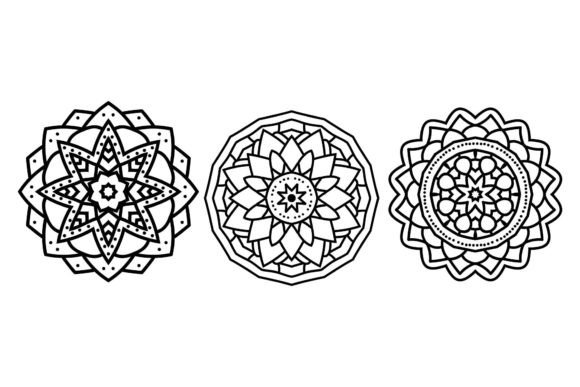
Decorative Mandala Color Icon: A Versatile Design Element
The Decorative Mandala Color Icon is a visually striking graphic design that combines intricate patterns with vibrant colors. This icon is ideal for those looking to add a touch of artistic flair to their projects, whether for personal use or professional applications. Its unique blend of symmetry and color makes it a popular choice among designers, artists, and creatives seeking to enhance their visual content.
What Is a Decorative Mandala Color Icon?
A Decorative Mandala Color Icon is a digital graphic that features a mandala pattern, often with multiple layers of color and detail. Mandala designs are known for their geometric precision and symbolic meaning, making them a powerful tool in visual communication. The color aspect adds an extra layer of appeal, allowing the icon to stand out in various contexts. These icons are typically created using vector-based software, ensuring scalability and clarity at any size.
Why Someone Might Be Interested in This Icon
Individuals interested in decorative design elements may find the Decorative Mandala Color Icon appealing for several reasons. First, its aesthetic value makes it suitable for use in branding, illustrations, and web graphics. Second, the icon's versatility allows it to be adapted for different purposes, such as logos, social media visuals, or print materials. Additionally, the availability of multiple file formats ensures compatibility with various design software, making it accessible to a wide range of users.
Benefits of Using the Decorative Mandala Color Icon
- Visual Appeal: The intricate patterns and vibrant colors make this icon a standout element in any design.
- Flexibility: Available in multiple file formats, it can be easily integrated into different projects and platforms.
- Scalability: As a vector-based design, it maintains quality at any size, making it suitable for both small and large applications.
Considerations and Tradeoffs
While the Decorative Mandala Color Icon offers many advantages, there are some factors to consider. The complexity of the design may require some technical knowledge to edit effectively, especially for users unfamiliar with design software. Additionally, the need to unzip files and use specific tools like Adobe products could be a barrier for some users. It is also important to note that while the icon is visually engaging, it may not be the best fit for minimalist or modern design styles that prioritize simplicity over ornamentation.
Situations Where This Icon May Be a Strong Fit
The Decorative Mandala Color Icon is particularly well-suited for projects that emphasize creativity, spirituality, or cultural themes. It can be used in yoga and wellness branding, art galleries, or educational materials related to meditation and mindfulness. For designers working on projects that require a rich, detailed visual component, this icon can serve as a focal point that enhances the overall aesthetic.
Situations Where Alternatives May Be Worth Considering
In cases where a more straightforward or minimalistic approach is preferred, alternative design elements may be more appropriate. For instance, if the goal is to create a clean, modern look, simpler icons or abstract shapes might be better suited. Similarly, for projects requiring high contrast or bold typography, a different type of icon may provide better results. It is essential to evaluate the specific needs of each project before deciding on the most suitable design element.
Practical Decision-Making Insights
When considering the Decorative Mandala Color Icon, it is important to assess how well it aligns with the overall vision of the project. Ask questions such as: Does the icon complement the existing design elements? Will it resonate with the target audience? Are the technical requirements manageable? By addressing these questions, users can make informed decisions about whether this icon is the right choice for their needs.
For those who appreciate intricate and colorful designs, the Decorative Mandala Color Icon offers a compelling option. However, it is crucial to weigh the benefits against potential challenges, such as the need for specific software and the complexity of the design. Ultimately, the decision should be based on the specific goals and requirements of the project.